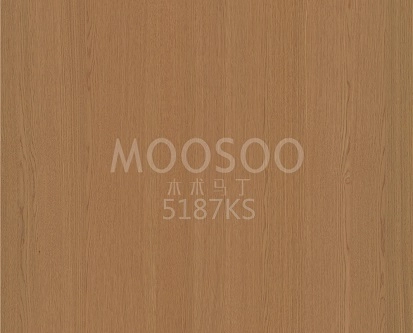
Solid oak veneer panels are prized in interior design, furniture making, and architectural applications for their rich appearance, sustainability, and versatility. Unlike solid wood boards, veneer panels combine the beauty of real oak with engineered strength and dimensional stability.
1. What Are Solid Oak Veneer Panels?
Solid oak veneer panels are composite boards (typically MDF, plywood, or particleboard cores) surfaced with a thin layer of real oak wood—called the veneer. Oak veneer ranges from about 0.5 mm to 3 mm in thickness but is substantially thinner than solid lumber. The face veneer showcases natural oak grain, color, and figure, while the substrate offers stability and cost-efficiency.
Why “Veneer Panels” Instead of “Solid Oak”?
Although the surface is real oak, the panel is not solid oak lumber through and through. This hybrid construction offers:
- Improved stability — less prone to warping or shrink-swell
- Greater sustainability — uses less hardwood than solid boards
- Cost-effectiveness — more affordable than equivalent solid oak
- Consistent quality — engineered substrate minimizes defects
2. How Solid Oak Veneer Panels Are Made
A. Core Materials
The most common cores:
- Plywood: Layers of veneer cross-laminated for strength
- MDF (Medium Density Fiberboard): Smooth, dense board excellent for flat panels
- Particleboard: Economical alternative with adequate performance in many cases
- HDF (High Density Fiberboard): Denser and more stable than standard MDF
The choice of core affects machining, screw holding, weight, and finish quality.
B. Oak Veneer Production
Oak logs are sliced using different techniques that yield distinct looks:
- Plain Slicing (Flat Cut): Traditional cathedral grain pattern
- Quarter Slicing: Straight, linear grain with subtle figure
- Rift Cut: Uniform, linear grain with minimal medullary rays
- Rotary Cut: Broad, variable grain used mostly for large panels
The veneer sheets are dried, graded, and matched for appearance before application.
C. Veneer Application
- Cold Press: Uses adhesive and pressure at room temperature
- Hot Press: Adds heat to accelerate adhesive cure
Adhesives like urea-formaldehyde, phenol-formaldehyde, or more eco-friendly types are selected based on performance and VOC standards.
3. Performance Characteristics
Understanding the technical properties helps ensure appropriate use.
A. Dimensional Stability
Because veneer is bonded to a stable core, veneer panels resist expansion and contraction better than solid oak boards. This makes them ideal for:
- Wall panels
- Cabinetry
- Doors
- Millwork
However, veneer thickness and core type still influence stability—MDF cores generally outperform particleboard under humidity fluctuations.
B. Mechanical Strength
- Screw Holding: MDF cores provide excellent holding for screws; plywood cores excel at structural strength.
- Impact Resistance: Oak veneer has good surface toughness, but heavy impact can dent the core underneath.
- Bending Strength: Limited compared to solid wood; appropriate for flat panels, not heavy load-bearing beams.
C. Surface Qualities
Veneer offers:
- Authentic grain and texture
- Ability to stain and finish like solid wood
- Consistent color and pattern when book-matched or slip-matched
4. Advantages of Using Solid Oak Veneer Panels
A. Aesthetic Appeal
Oak veneer captures all the beauty of real wood—grain variation, figure, and natural warmth—without massive costs. With techniques like book-matching or slip-matching, designers can create striking symmetrical patterns across large surfaces.
B. Cost and Sustainability
Using thin layers of oak reduces the amount of precious hardwood required, making it both cost-effective and more sustainable. Many manufacturers also use FSC-certified wood and low-VOC adhesives.
C. Ease of Fabrication
Veneer panels machine well:
- Cut and shaped with standard woodworking tools
- Edge-banded for hidden cores
- Routed for joinery and detailing
Their uniform substrate yields predictable results, unlike natural variability in solid lumber.
5. Common Applications
A. Cabinetry & Furniture
Oak veneer adds premium aesthetics to furniture like:
- Kitchen cabinets
- Wardrobes
- Desks
- Custom millwork
B. Architectural Wall Panels
Used to clad walls in:
- Offices
- Reception areas
- Auditoriums
The consistency and large panel sizes create a refined, continuous surface.
C. Doors & Frames
Veneer panels offer wood door aesthetics without heavy solid wood, improving stability and cost.
D. Retail & Hospitality Interiors
Store fixtures, display cases, and hotel lobbies frequently use oak veneer for a luxurious, natural feel.
6. Design Considerations
A. Grain Matching Techniques
- Book Match: Adjacent veneer sheets mirror each other
- Slip Match: Veneer laid side-by-side with consistent grain flow
- Random Match: No deliberate pattern, more natural variation
B. Finish Choices
Finishes define performance and appearance:
- Oil & Wax: Enhances grain, natural feel
- Polyurethane: Greater durability against moisture and abrasion
- Water-based lacquer: Clear, eco-friendly, minimal ambering
C. Color & Tone
Oak can be:
- Natural/clear finish
- Stained for deeper hues
- Gray or smoked for contemporary looks
Careful sample approval is essential before large installs.
7. Installation Best Practices
A. Environment Acclimation
Panels should acclimate to the installation space for several days to equilibrate moisture content.
Ideal range:
- Relative humidity: 40–60%
- Temperature: ~18–24 °C (65–75 °F)
B. Fastening Strategies
- Use appropriate fasteners for core type.
- Edge banding to seal exposed cores and maintain appearance.
- Strategic placement of expansion gaps in large covers.
C. Cutting and Machining
- Sharp blades & high tooth count minimize tear-out.
- Use zero-clearance inserts on tables or saws for clean edges.
- Tape veneer faces along cut lines to reduce splintering.
8. Maintenance and Care
Routine Cleaning
- Dust with soft cloth
- Mild detergents for spills—avoid harsh chemicals
- Avoid excess water
Preventing Damage
- Use coasters and mats in high-traffic areas
- Repair minor scratches with wax sticks or matching touch-up kits
Periodic Refinish
Depending on use, a fresh coat of finish every few years restores protection and sheen.
9. Sustainability and Environmental Considerations
Oak veneer uses less solid wood, making it more resource-efficient. Eco-friendly practices include:
- FSC or PEFC certified wood
- Low-VOC adhesives and finishes
- Reclaimed wood veneer options
These choices align with green building standards like LEED or WELL.
10. Challenges and Limitations
While highly versatile, veneer panels have constraints:
- Not suitable for extreme load scenarios (where structural lumber is required)
- Vulnerable edges if not properly banded
- Finishing inconsistencies if veneer thickness varies
Solid oak veneer panels blend beauty, performance, and sustainability. With proper material selection, thoughtful design, and meticulous installation, they elevate interiors across residential, commercial, and hospitality environments. Their engineered stability, paired with real oak aesthetics, makes them a smart choice for architects, designers, and craftsmen alike.